Can You Clean Old Concrete Without Making Cracks Worse?
Yes—old concrete can often be cleaned safely, provided its condition is checked first and the cleaning method suits the surface. The main risks are aggressive pressure washing, unsuitable chemicals and forcing water into damaged areas. In Cairns, persistent humidity, heavy wet-season rain and shaded conditions encourage algae and mould, making regular, careful cleaning worthwhile.

Check the Concrete Before Cleaning
A fine, stable surface crack does not automatically rule out cleaning. However, loose edges, flaking concrete and uneven slabs need closer attention. Cleaning removes dirt and biological growth; it does not repair deterioration or stop cracks from moving.
- Look for loose material: Crumbling edges, exposed aggregate and peeling surface layers can deteriorate under a concentrated water jet.
- Check for movement: Cracks that widen, return after repairs or have different heights on either side warrant professional assessment.
- Inspect nearby drainage: Pooling water and runoff entering cracks may indicate drainage issues that cleaning alone cannot fix.
- Identify coatings: Painted, sealed or decorative concrete may require a different cleaner and gentler equipment.
If concrete is lifting, sinking or showing exposed reinforcing steel, arrange an assessment before pressure cleaning. Avoid treating crack width alone as proof that a slab is safe.
Use the Least Aggressive Effective Method
Start With Gentle Cleaning
Sweep away grit and leaves, then try a concrete-compatible cleaner with a soft or medium-bristle nylon brush. Follow the product’s dilution and contact-time instructions, and rinse gently. Test an inconspicuous area first, particularly on weathered or previously sealed concrete.
For algae and mould, use a product labelled for that purpose and suitable for the surface. Never mix bleach with acids, ammonia or other cleaning products. Protect nearby plants, pets and metal fittings according to the label.
Control Pressure and Technique
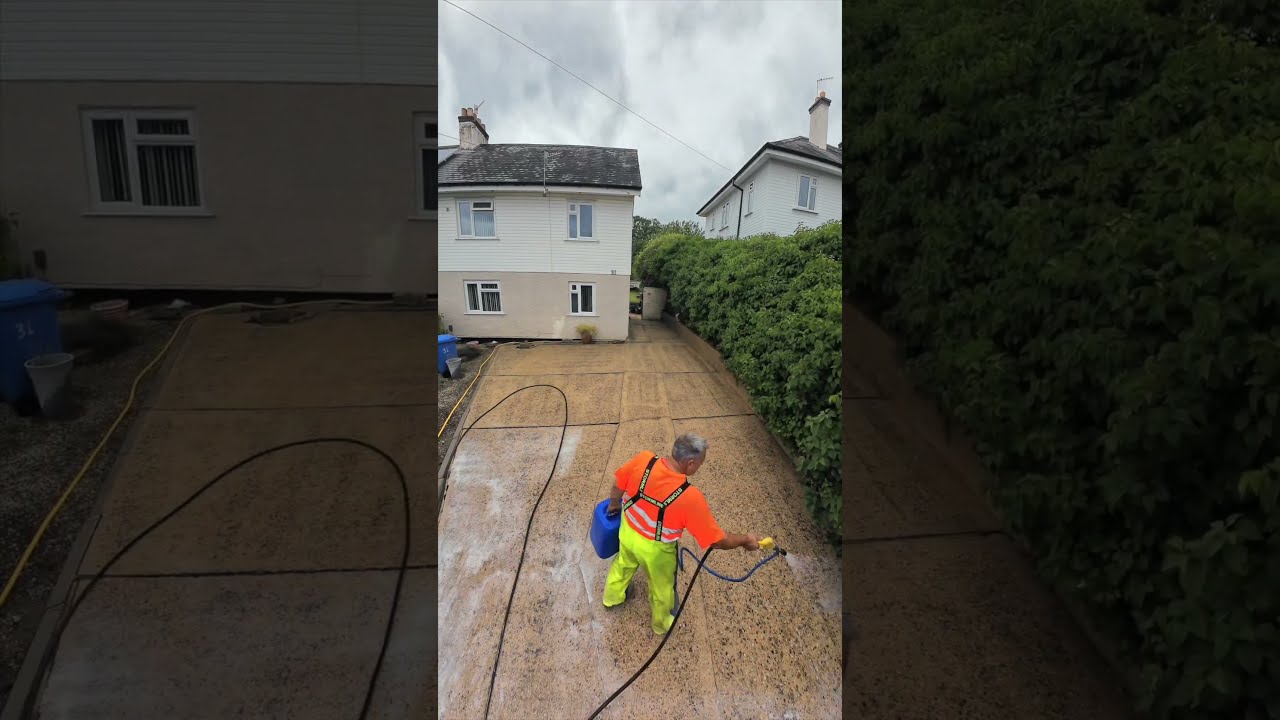
There is no single pressure setting that is safe for every old slab. Surface strength, nozzle type, distance and operator technique all affect the result. If pressure washing is appropriate, begin conservatively with a broad spray, keep the nozzle moving and avoid directing the jet into cracks or beneath loose edges.
Avoid pinpoint and turbo nozzles on fragile concrete. A surface cleaner can improve consistency, but it is not automatically safe: its operating pressure must still suit the slab.
Should Cracks Be Repaired First?
Loose or actively deteriorating areas may need repair before general cleaning. Crack preparation itself often requires controlled cleaning, so the correct sequence depends on the damage and repair system. Repair materials must be https://pressurecleaningcairns.com.au/sanitation-cleaning/ compatible with the slab, and any required curing time must pass before washing.
Do not fill movement joints with a rigid patching material simply to keep cleaning water out. These joints need to accommodate movement.
Plan for Cairns Conditions and Runoff
Choose a suitable weather window rather than cleaning immediately before heavy rain. Humid conditions can slow drying, which matters if repairs or sealing are planned afterwards. Keep people away until the surface is safe to walk on.
Contain dirty wash water and prevent detergent, sediment and removed contaminants from entering stormwater drains. Confirm applicable requirements with Cairns Regional Council and use an appropriate collection or disposal method.
Choose Condition-Led Concrete Cleaning
For older Cairns driveways, paths and patios, the best approach is inspection first, gentle cleaning second. Ask your cleaner how they assess damaged concrete, adjust pressure and manage runoff. Careful cleaning can improve appearance and reduce slippery growth without unnecessarily stressing an already vulnerable surface.
Expert Pressure Cleaning Cairns
(07) 4058 8889